
|
☰ |
Photography Living on the road & homesteading Electronics & programming SiiMON — Simple image management software Writing — Tutorials, blogs, essays. Youtube — Goto my Youtube channel (opens new window/tab). Guestbook — Read older comments and/or write a new one. Preferences — Set your preferred currency.
|
|||
|

|

Circuit design and schematic capture |
|

PCB design |
|
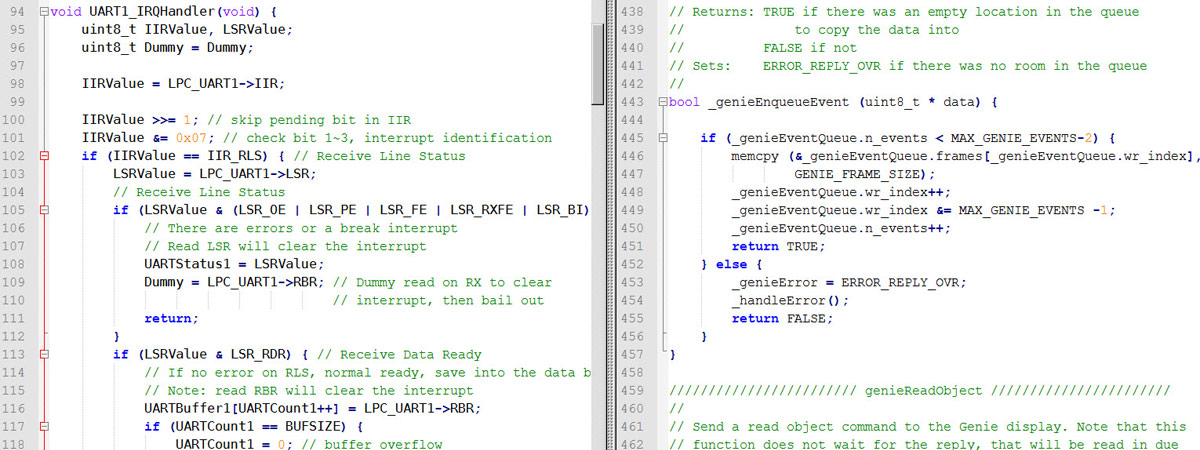
| Embedded firmware |
|
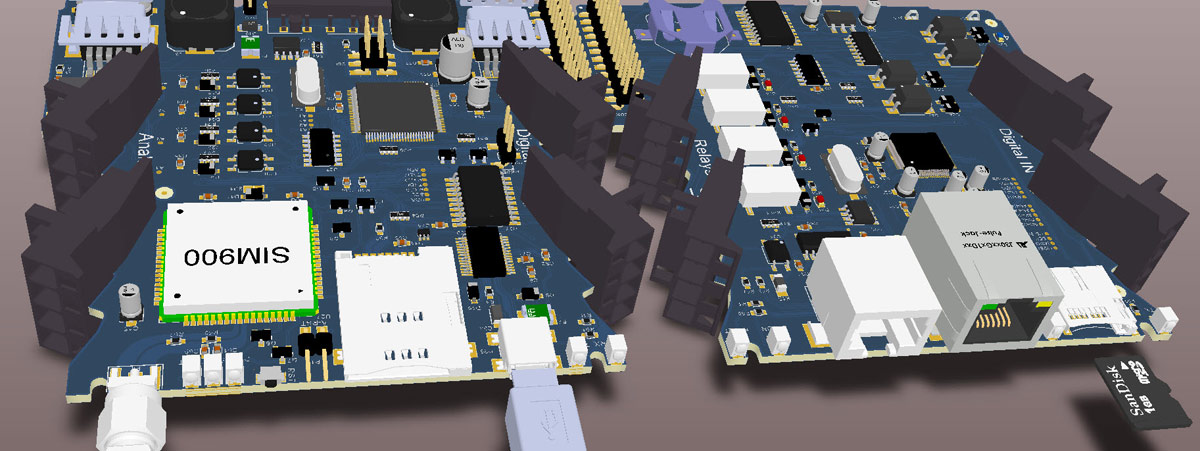
Arduino-compatible designs |
|
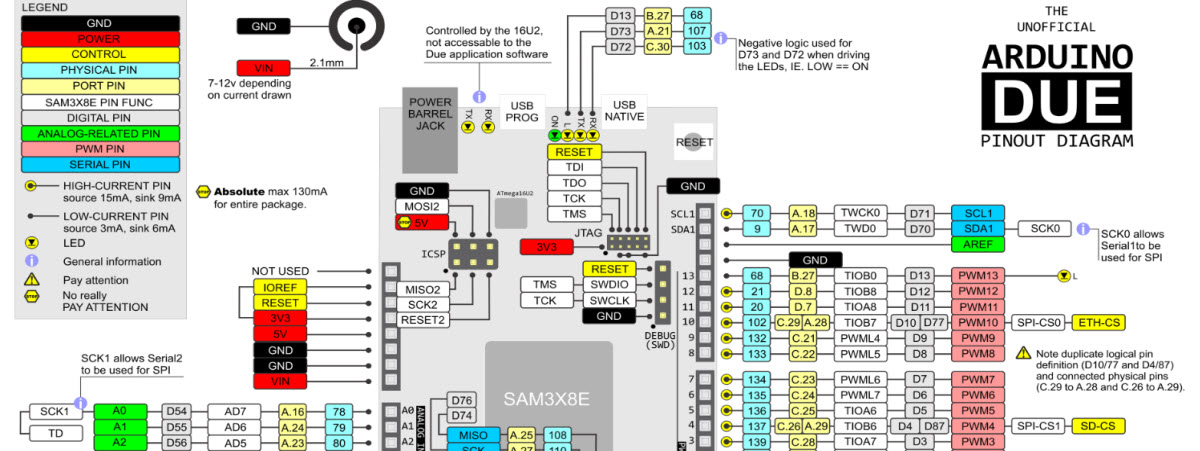
Documentation |
|
I did well in the IT and field (retired at 45) and am on the aged pension these days and don't really need to work so I'm not actively looking, on the other hand it's nice to be useful and I'm always keen to do something interesting. So if you have a hardware or software project you think I could help with please get in touch. We currently live in the bush in central Queensland (near Bundaberg) but with current technology it's quite practical to interact in real time even if we're physically located on opposite sides of the globe. (See "Old projects" for a job I did for a company in Brazil.) My timezone is GMT+10, I tend to be up working until the wee hours so that helps align me with people in the US, UK and Europe. See my contact page ➚ for contact details. Some other projects. Just for a laugh
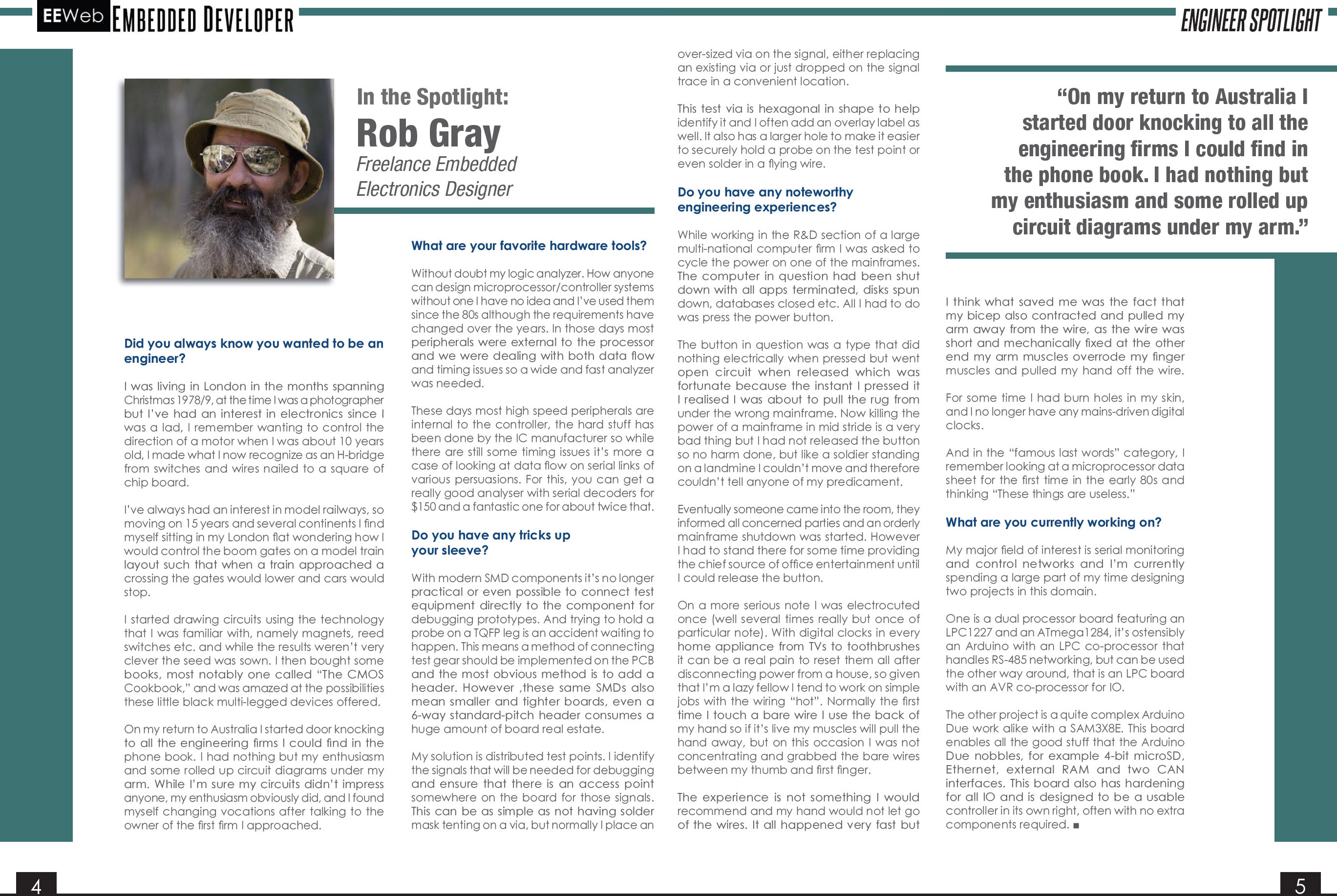
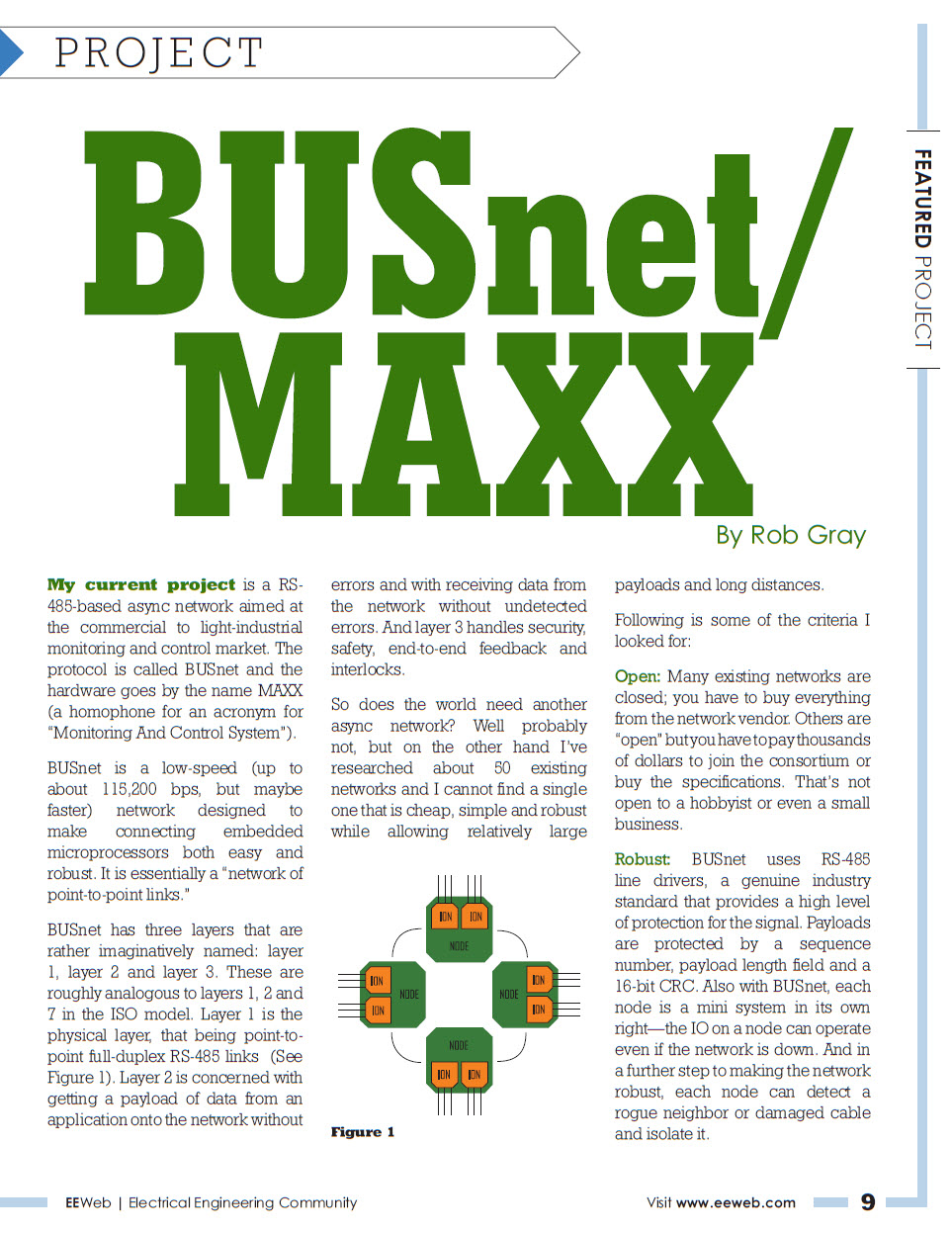
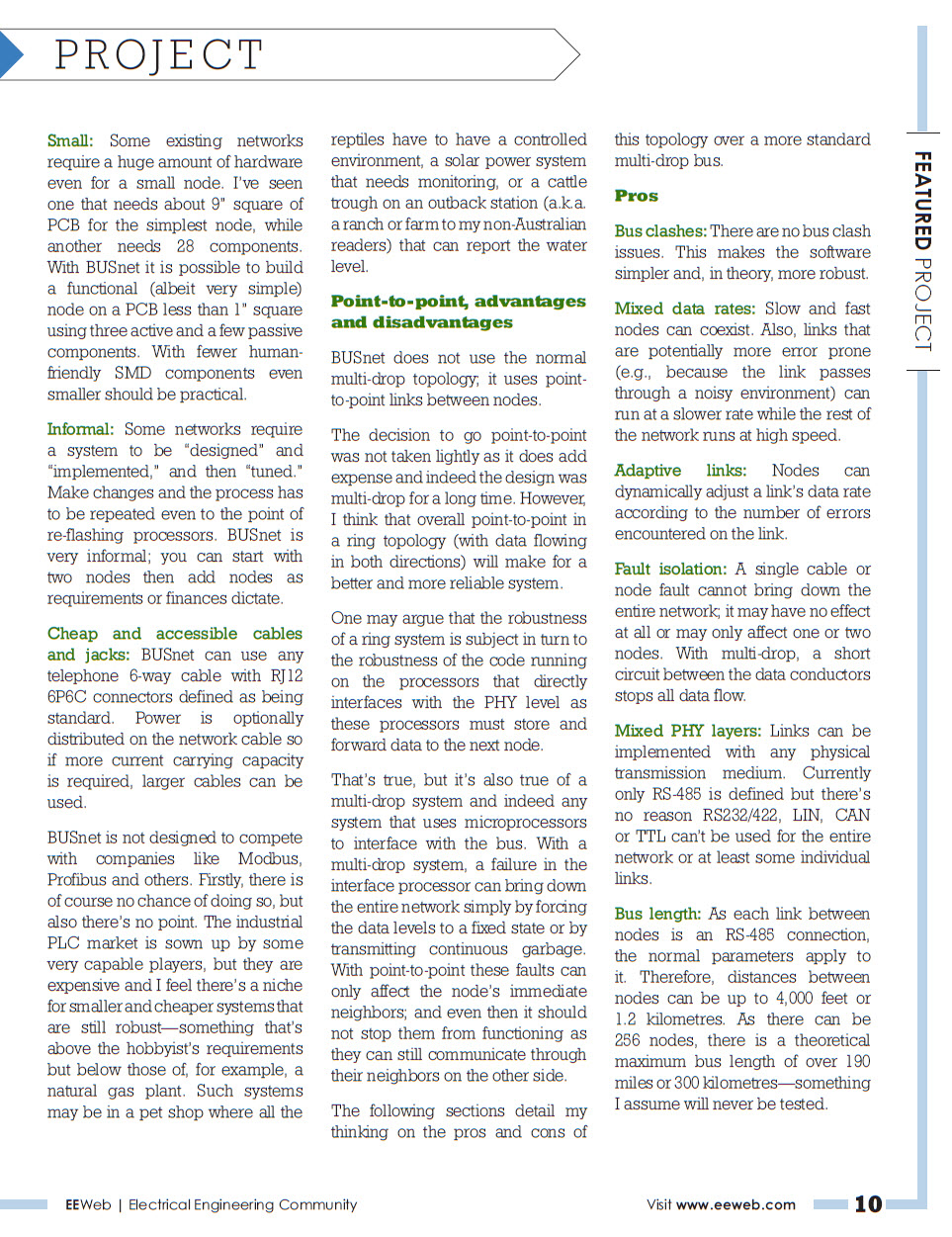
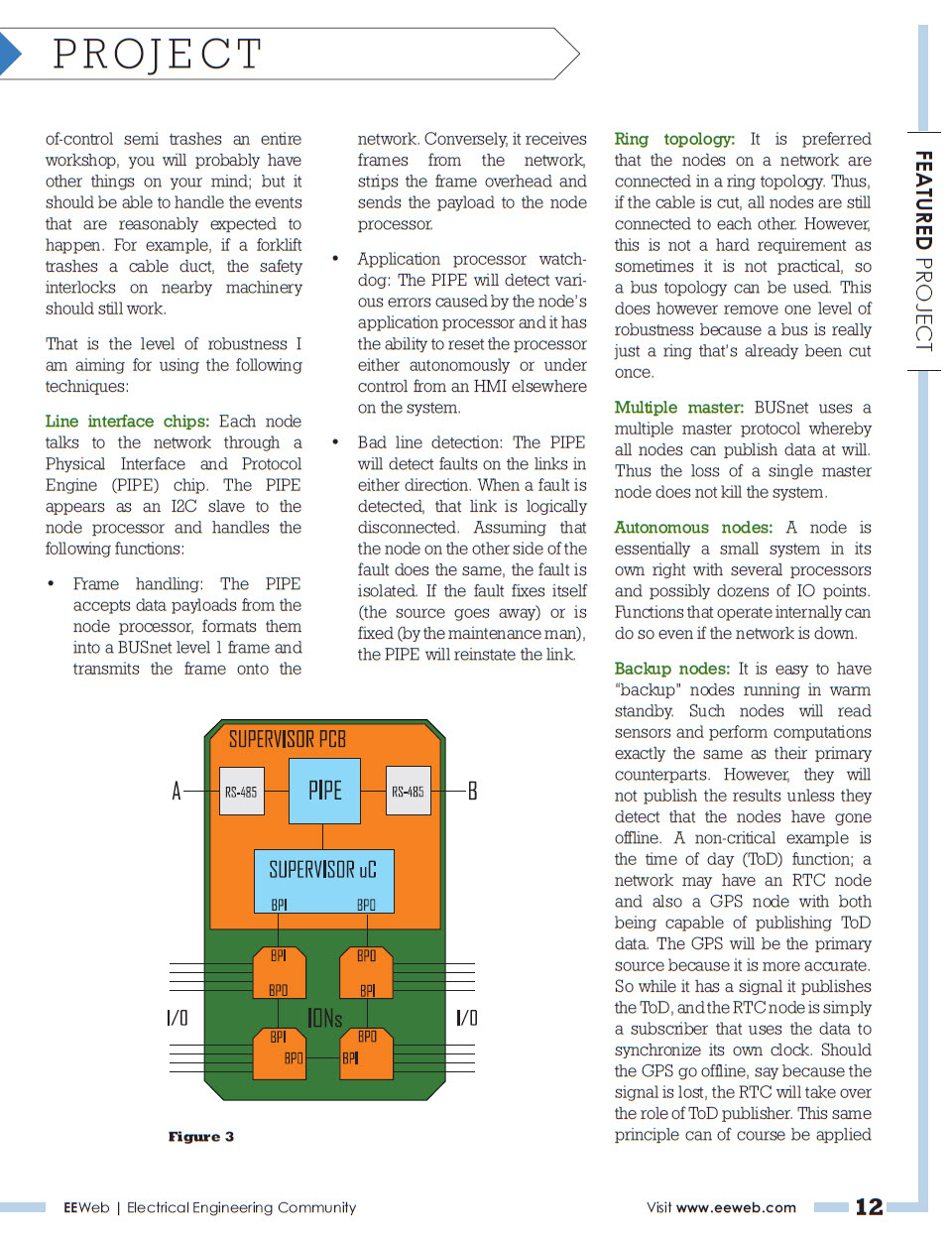
Yours truly featured in Embedded Designer recently. Plus PULSE magazine did a spread on me and the project I was designing at the time, namely BUSnet and MAXX, two systems designed for monitoring and control of commercial to light-industrial installations.
This system was never built but many of the ideas live on in subsequent designs. Some examples follow. Note that designing projects like these is free, I have had a few PCBs made but for the most part I don't have the resources (both money and manpower) to follow up. So I get another bright idea and move on to that...rinse and repeat. Some of these projects are as follows. The QUUB system This is (was) a system designed for one of my main loves, building control application. It went through so many design iterations I lost count. A couple of versions even had PCBs made.
The PCB design for the above board looks like this.
I then redesigned it to use a Teensy as the controlling MCU.
And about a year ago I discovered the Raspberry Pi Pico.
The last image give some idea of why the name 'QUUB' was chosen, all these are designed to stack and form a system that is (roughly) cube like in shape. More information about the QUUB here ➚The picoNODE As you can see the last iteration of the QUUB used a Raspberry Pi Pico as the controlling MCU. This looked like such a fun device that is cheap and well supported, so the QUUB morphed into the picoNODE.
This design is intended for BMAC (Building Monitoring and Control) applications, specifically to monitor my personal off-grid installation. It's 98% done and the PCB almost ready for fabrication. However I realised that when built I had no real way to debug the firmware...or maybe I do, but my other main love is embedded develpment tools (I had one on the market years ago). Enter the picoD'BUGGA. The picoD'BUGGA This device is designed to facilittae hardware and firmware debugging on a Pico.
At some point though I had the thought "Why just the Pico, why not make it for any MCU?". Yes I'm easily sidetracked. PADS The Processor Agnostic Development System.
Now things were getting overly complicated and well outside the scope of a single-person project. Heck the thing has EIGHT LPC824 processors as well as the main Pico. Let's get back to basics. The picoICE The picoICE is the current state of the idea.
This is still fairly complex but well within the capabilties of a motivated ex-engineer such as myself. It's only a week or two old at this point and still very much a work in progress, but I might actually build this one. I did this "Are you a geek" test. Guess I'm a geek. |





Copyright © 1973-2026 Rob Gray, All rights reserved.
PO Box 450, Gin Gin, QLD, Australia.
www.robgray.com
 |